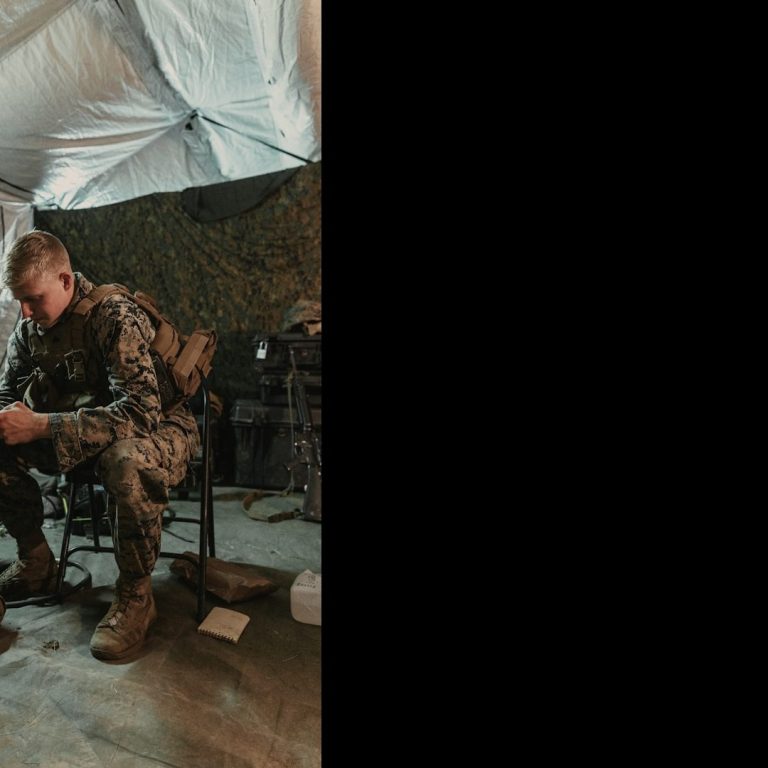
Foundation of Crisis Response and PTSD Prevention
Trauma-Informed Care in Conflict Zones
Equip responders with culturally sensitive mental health strategies.
Conflict Zone Dynamics: high density terrorist and cartel regions
Cultural Competency & Mental Health Stigma
PTSD triage protocols (ASD screening, stepped-care) Tech Tools.
Tech-Enhanced Humanitarian Crisis Response and PTSD Prevention
Fix AI is revolutionizing humanitarian crisis response, especially in counter-terrorism and cartel-affected regions. With real-time analytics, agencies can rapidly assess threats, deliver aid, and support trauma survivors. AI tools monitor digital communications to detect risks early, enabling faster, safer interventions. Advanced algorithms also personalize mental health support for individuals with PTSD, improving recovery outcomes. This proactive approach strengthens community resilience and enhances the effectiveness of crisis response efforts.
Digital Mental Health Tools & Remote Monitoring
Leverage mobile and wearable tech for real-time intervention.
Crisis Coordination and Multi-agency response
Train for joint operations with military, NGOs, and local actors.
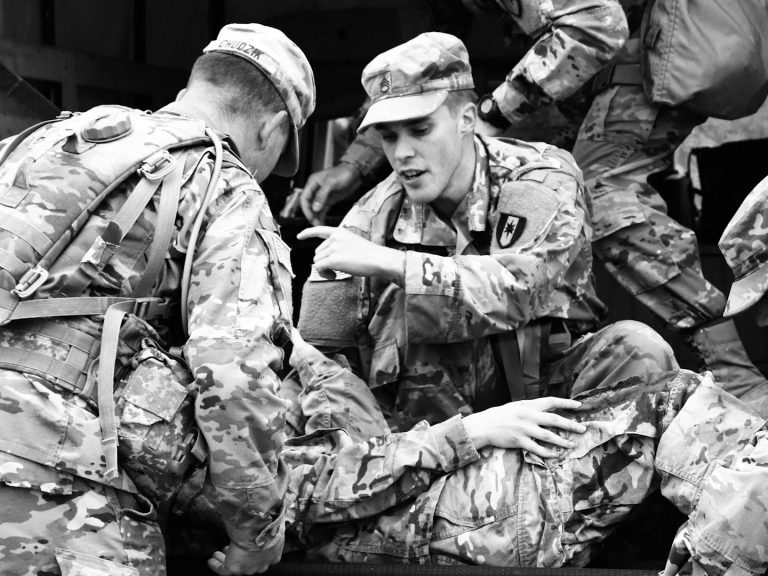
Tactical Integration and Field Deployment
Apply trauma-informed care in tactical and cartel-controlled environments.
Capstone Simulation – Myanmar Crisis Response
Escalation of violence, 10,000 displaced civilians, survivors of sexual violence and child soldiers.
Military and Law Enforcement Focus
Early Intervention and VA/DoD Guidelines
Implement evidence-based early interventions to prevent ASD/PTSD in conflict-affected populations.
VA/DoD Clinical Practice Guidelines:
Primary Prevention: Resilience-building via unit cohesion training (adapted for NGOs).
Secondary Prevention: Screening tools (PCL-5, TSQ) for ASD within 72 hours of trauma.
Tertiary Prevention: Stepped-care models for chronic PTSD.